November 26, 2026
How to Choose a Private City Tour in Barcelona
By @privatecitytoursbarcelonazone
Start with the way you want to see the city
Barcelona rewards a slow look. A good private city tour should feel shaped around your interests, not like a lecture on wheels. Before comparing options, decide what kind of day would suit you. Some visitors want a compact walking route through old lanes, with pauses for architecture and coffee. Others prefer a vehicle between landmarks, especially when travelling with children, older relatives, or a tight schedule.
Think in terms of pace and theme. Gothic Quarter streets are narrow and lively, best explored on foot with room to stop. La Sagrada Familia and Park Güell sit in different parts of the city, so transport can matter if both are included. A route with several indoor stops will feel very different from one built around viewpoints, markets, and seaside air. The best choice is not the one with the most stops. It is the one that leaves enough time to notice the place in front of you.
Set your must-sees, then leave space
Make a short list of places that would make the day feel complete. Keep it realistic. A city tour with three well-chosen stops often works better than a rushed circuit of eight. If a landmark matters deeply, say so at the start and ask how much time will be spent there. If a site requires timed entry, check whether that timing is built into the route rather than treated as an extra.
Also decide what you would happily skip. This helps a guide make smart trade-offs on the day. If you enjoy architecture, extra time around Modernista buildings may matter more than a photo stop. If you are travelling with teenagers, short segments and clear breaks usually help. When comparing private city tours barcelona, look for wording that explains how the itinerary can flex, instead of promising a fixed show repeated for everyone.
Check what is included before you compare value
Inclusions are where two similar looking tours can differ sharply. Read the description closely and separate the main parts: guiding, transport, entry tickets, meals, hotel pickup, and free time. Some routes are walking only. Some include a private chauffeur for longer distances. Neither is automatically better. The right format depends on your group, the weather, and how far apart the stops sit.
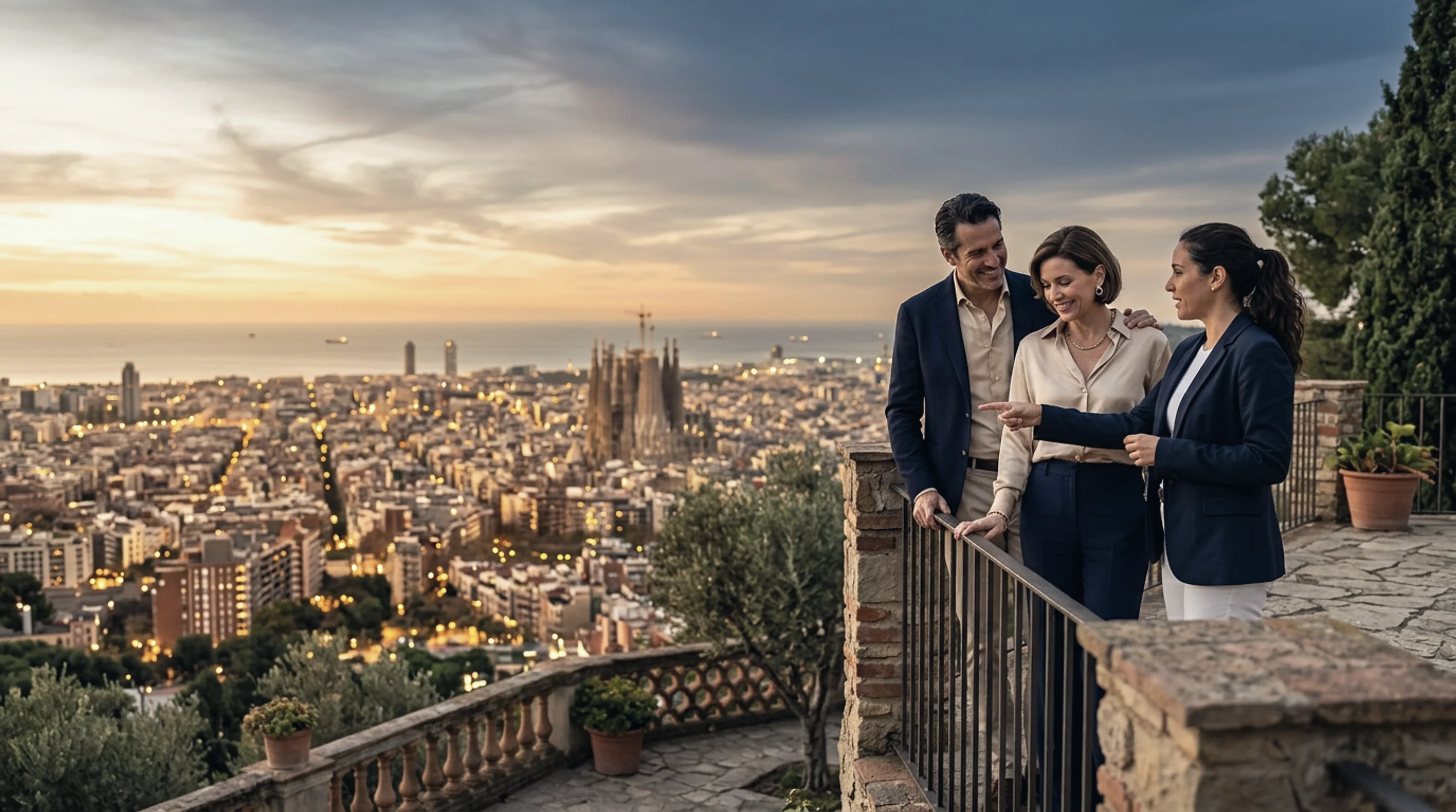
Watch for vague terms such as "sightseeing route" or "city highlights" without named stops. Clear wording is usually a better sign. If entry to a monument is part of the plan, check whether tickets are arranged in advance and what kind of access is described. skip-the-line access can be useful at busy sites, but it should be explained plainly. It does not mean every part of a visit is instant, and security checks may still apply.
Look closely at local guide expertise
A private tour lives or dies by the quality of the guiding. Good local guide expertise is more than knowing dates and names. It shows in how a guide connects a street to a neighbourhood, explains why a building looks the way it does, and adjusts the story for the people listening. Ask how guides are selected and what backgrounds they have. Language matters too. Confirm that the tour runs in a language everyone in the group can follow comfortably.
Group size and composition should be part of this check. A private format is useful when people want to ask questions without holding up a crowd. It also allows a more careful pace for anyone who needs breaks. Tell the provider about mobility needs, prams, or dietary requirements before the day. That gives the route a chance to work for the whole group rather than only the fastest walker.
Shape the route around your dates and timing
Barcelona changes rhythm across the day. Early hours suit popular landmarks and quieter streets. Late afternoon can bring softer light and a more relaxed feel, particularly near the waterfront. Weekends and local holidays may affect traffic, opening times, and how crowded certain areas become. A thoughtful plan takes these details into account instead of treating every day as identical.
Start time also affects the length of the tour. A morning route may pair well with lunch afterwards, while an afternoon route may work better after a conference or cruise arrival. If your schedule includes another booking later, share that limit before confirming. A guide can then suggest a route that ends near where you need to be, rather than leaving you crossing the city under pressure.
Compare customised itineraries with care
Flexibility sounds appealing, but it needs boundaries. customised itineraries work best when the starting point is clear: a set of interests, a preferred pace, a rough duration, and a few non-negotiable stops. From there, a good plan can suggest what fits and what does not. If every detail is left open, the day can lose shape before it begins.
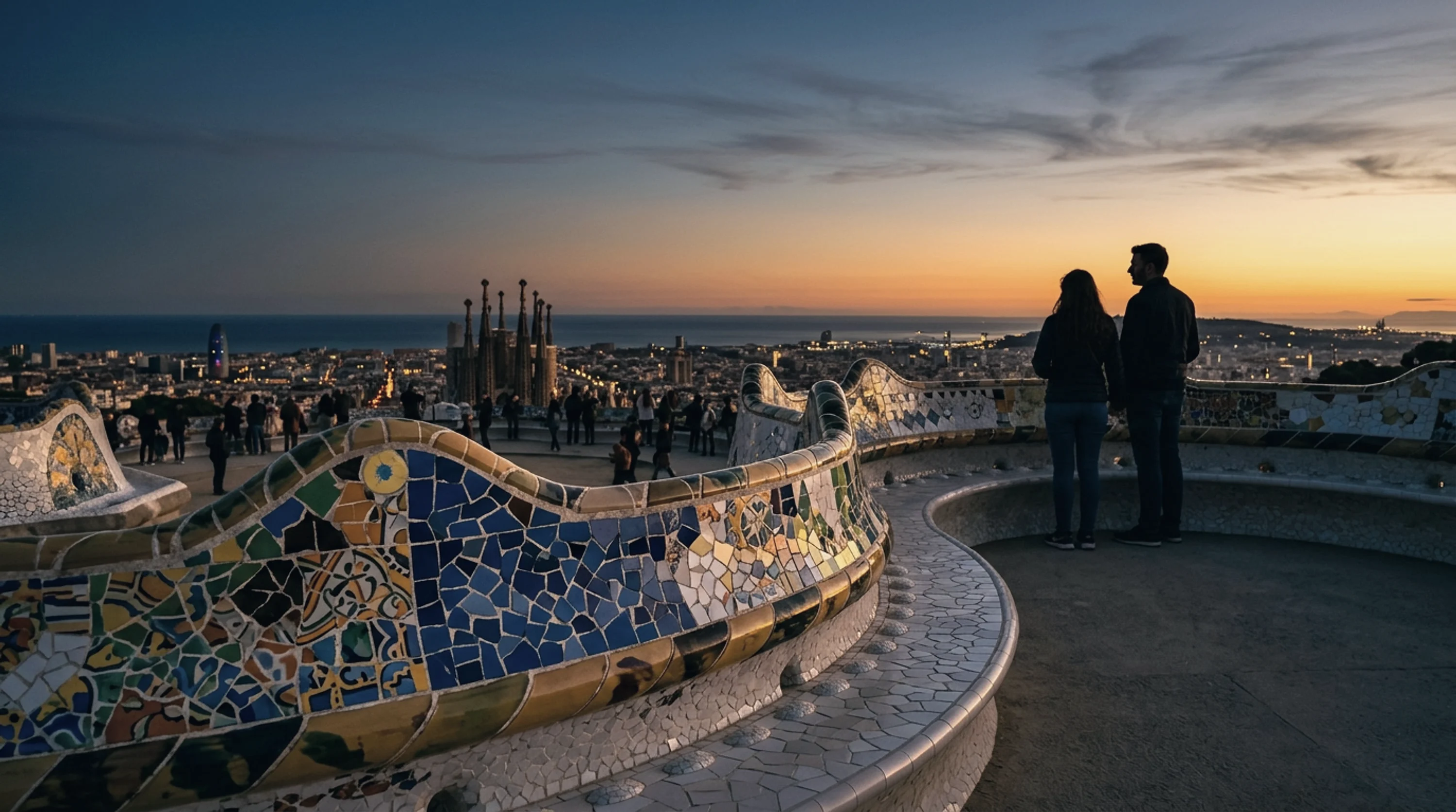
Ask what can be changed and what cannot. Entry times, closed days, and distance between neighbourhoods may set firm limits. A route that includes both a hilltop park and a dense old quarter needs thoughtful sequencing. A walking plan through the Gothic Quarter may be hard to adapt for someone who cannot manage uneven paving. These are practical points, not reasons to abandon a plan. They simply help the day run smoothly.
Read reviews with a critical eye
Reviews can reveal patterns that a polished description misses. Look for repeated comments about punctuality, clarity of communication, comfort, and how the guide handled changes. One brief complaint may mean little. The same issue raised often deserves attention. Pay attention to what reviewers valued. If they mention unhurried stops and useful context, that may suit a culture-focused visit. If they mention smooth transfers, that may matter more for a family with limited time.
Also notice what reviews do not say. A short review with no detail tells you little. Longer comments often describe the actual flow of the day, which helps you judge whether the style fits. Use reviews as one input, then compare them with the written itinerary and the answers you receive to direct questions.
Ask clear questions before booking
A few direct questions can prevent most disappointments. Keep them practical and specific. The aim is not to interrogate anyone, but to understand how the day will work.
- How long does the tour last, and are breaks built into the route?
- Which stops are guaranteed, and which are optional?
- Is transport included, and what happens if the group walks more than expected?
- Are tickets arranged ahead of time, and what access does each one provide?
- What is the plan if heavy rain, closures, or transport delays affect the route?
The answers should be easy to follow. If a reply avoids the question or shifts between walking and driving without explanation, pause and ask again. Clear communication before the tour is often a good sign of how the day itself will be handled.
Match the tour to the people travelling
Every group has a different balance of energy and interest. A couple seeking architecture may enjoy long stretches among details. A family may prefer a route with short stories, open spaces, and a clear finish. Visitors on a first trip may want a broad introduction, while repeat visitors may want one neighbourhood explored in depth. Say what kind of experience the group is looking for, even if it feels obvious.
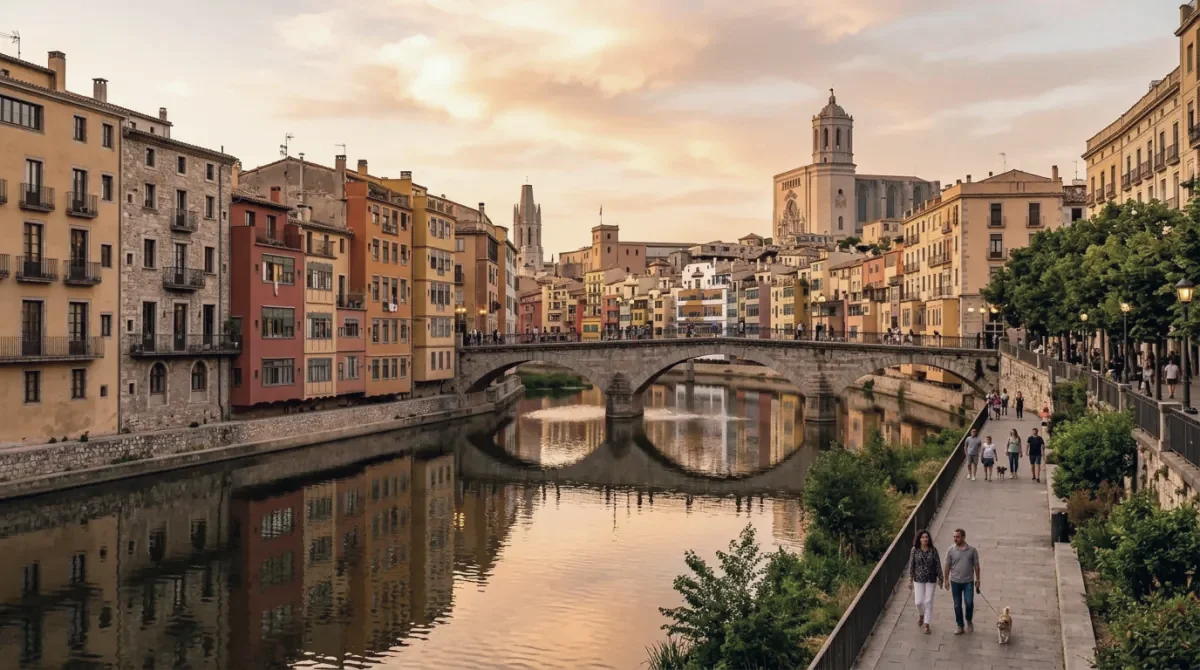
Weather should shape the decision too. Barcelona can be warm and bright, but rain changes how pleasant long walking routes feel. A plan with indoor stops gives shelter and context. A plan built around outdoor viewpoints may be better on a clear day. The choice does not need to be perfect. It only needs to suit the season and the people involved.
Make the final choice on fit, not flash
By this point, compare the options side by side. Look at the route, pace, inclusions, guiding style, and flexibility. A tour with fewer landmarks may still offer a richer day if the stops are well connected and the guide has room to explain them. A longer itinerary can feel generous, but only if the timing is sensible.
Trust clear details over grand promises. When a plan names the neighbourhoods, explains transport, and treats your limits as part of the design, it is easier to judge whether it will work. Choosing well is less about finding the most famous route and more about finding one that gives Barcelona the right amount of time, attention, and breathing space.
❧